Academics at Our Elementary School in Vancouver, WA
Learning That Begins With Curiosity
Vancouver, WA Private Schools
Our Curriculum Model
At Gardner, we aim to spark curiosity and build critical thinkers. Our curriculum connects subjects to each other and to real life. A science lesson might include art. A history project might lead to creative writing. We draw from multiple intelligences research, which means we teach kids how to learn in a way that best works for them.
But What Is ‘Multiple Intelligences’ and ‘Progressive Education’?
Multiple Intelligences Theory
A common misconception is that “Multiple Intelligences” means everyone has a “different” strength. Instead, it means everyone has multiple ways of learning and multiple unique ways of being “smart.” These strengths may change over time and show up differently in various life different circumstances.
At Gardner, we provide opportunities for learning through a variety of modalities to reach children in different ways, and to increase their “smarts” in all areas of intelligence.
-
Is to empower our students to grow as independent learners, and to embrace these key points:
Humans possess all of the intelligences in some form.
Individuals can grow in all intelligences.
Preferences and abilities in each intelligence can change over time.
It’s up to the individual to make that change happen.
All of the intelligences can be used to express what is learned.
Progressive Education Model
Gardner School of Arts & Sciences follows the approach of progressive education. Progressive education advocates for a more engaging way for children to learn.
-
Learning is hands-on.
Learning is relevant to the child’s own experience.
Learning engages children by extending educational opportunities outside the classroom.
Learning is social and interactive.
Learning focuses on problem solving and critical thinking.
Learning places the teacher in the role of guide and facilitator, not lecturer.
Learning allows students some say in what they want to learn and how to go about learning it.
These values are observable at Gardner every day. Students make predictions, create connections, and participate in their learning in a way that develops their independence and curiosity.
Where Belonging Begins
Private Preschool | Vancouver, WA
For ages 3-4, learning happens through play. Our preschool program builds social, emotional, and early academic skills in a nurturing space. Kids explore through sensory activities, music, movement, and daily outdoor time.
Looking for infant and toddler care?
Visit our Country Friends campus
Private Kindergarten | Vancouver, WA
Kindergarten at Gardner bridges our early childhood program and elementary school. Kids build foundational reading and math skills while staying curious and joyful.
Our Clark County kindergarten focuses on the whole child, with small classes, specialist teachers, and plenty of outdoor exploration.
Independent Elementary School | Vancouver, WA
Integrated Academics For Real-World Thinkers
Our elementary program serves grades K-6 (shifting to K-5 in 2027-28). Students move from foundational skills to more complex projects, research, and collaboration. The curiosity that starts in preschool carries through to graduation.
Grade 1- 2
Lower elementary builds strong reading, writing, and math foundations. Learning stays hands-on and exploratory. The transition from kindergarten is seamless.
Grade 3-6
Upper elementary takes on bigger challenges. Students develop research skills, lead projects, and start seeing themselves as scholars. They’re getting ready for middle school and beyond.
Learning Through Expression
At Gardner, we weave in experiential learning throughout the whole week across subjects, all guided by specialist teachers in each of these areas!
Art
Art at Gardner is process-focused. Students explore many mediums while developing visual thinking, problem-solving skills, and confidence in their own creative voice. There is no single “right” answer, allowing students to experiment, take risks, and grow artistically over time.
-
Exploring paint, clay, printmaking, sculpture, sewing, and collage
Learning elements and principles of design
Studying artists from different cultures and time periods
Emphasizing growth mindset and creative experimentation
Viewing mistakes as part of the artistic process
Creating work that reflects both individuality and skill development
Science
Science at Gardner is hands-on and curiosity-driven. We learn by doing here, and that involves asking questions, designing investigations, and getting outside to observe and learn.
-
Using the scientific method and engineering design process
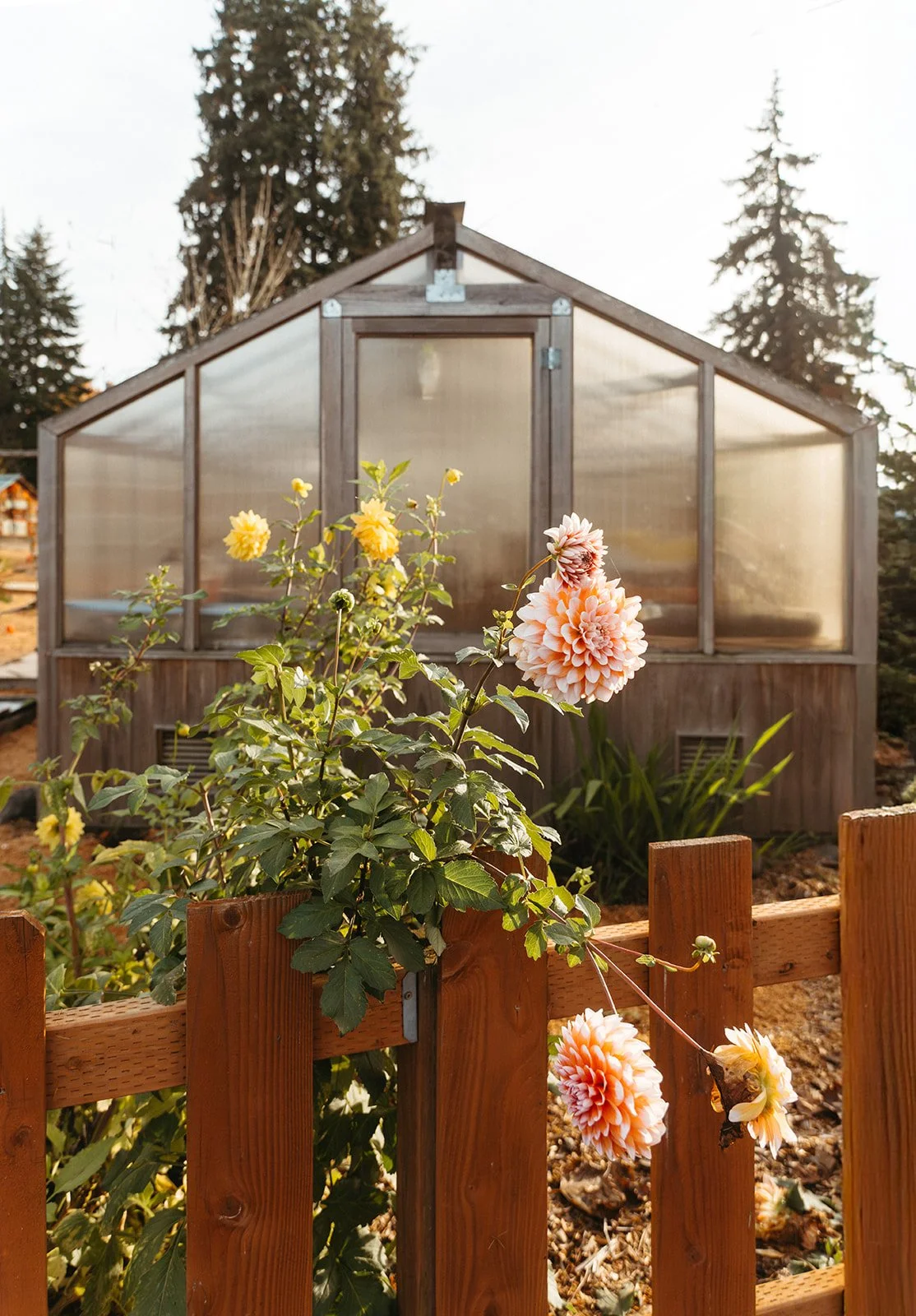
Outdoor studies on campus and in the Gardner Garden
Environmental education and biology investigations
Exploring technology and hard sciences through thematic units
Revisiting core concepts year over year to deepen understanding over time
Music
From playful exploration in the early years to composition, performance, and theory in the upper grades, students experience music as both creative expression and disciplined practice. Across all ages, music builds listening skills, collaboration, confidence, and a lasting appreciation for sound and rhythm.
-
Music games using instruments, movement, and song
Learning rhythm, melody, and solfège
Reading and writing simple music
Exploring music from cultures around the world
Instrument play, improvisation, and original composition
Spanish
Beginning in preschool, students build language skills through conversation, music, games, and cultural exploration. The Spanish program supports multiple learning styles while fostering curiosity and cultural awareness.
-
Listening to and speaking Spanish in supportive settings
Learning through songs, stories, games, and movement
Exploring food, art, dance, and traditions from Spanish-speaking cultures
Building vocabulary, pronunciation, and comprehension over time
Moving toward conversational Spanish in the upper grades
PE
Physical education at Gardner supports the whole child. Through movement, play, and teamwork, students build social skills and emotional resilience. Our program emphasizes kinesthetic learning, outdoor activity, and lifelong habits that support both physical and mental well-being.
-
Developing coordination, balance, and locomotor skills
Learning sportsmanship and collaboration
Exposure to organized sports like soccer, basketball, and ultimate Frisbee
Structured and unstructured games that support problem-solving
Lessons on nutrition, stretching, stress reduction, and mental health
Honoring Every Child’s Way Of Learning
“…we want it to be the best school possible. I think it would be great to sustainably provide this kind of experience to families for generations to come.”
— Gardner Parent & Board Member (3 Children Enrolled)
Extended Care Options
We know families need flexibility. Gardner offers before and after-school care that extends the learning day.
Before School:
Available from 7:30 AM. A calm start with supervision and activities.
After School:
Available until 6:00 PM. A mix of supervised play and activities.
FAQs
-
Gardner uses an integrated, progressive curriculum that caters to multiple intelligences. Subjects connect to each other and to real life in a variety of ways, we, as humans, learn. We combine traditional academics with arts, outdoor learning, and hands-on projects. Our approach is research-based but flexible enough to meet each child where they are.
-
We design instruction around the understanding that students learn in different ways. Rooted in Multiple Intelligences theory, our teaching is flexible and student-centered. Small class sizes and skilled faculty allow us to adjust methods, present material through varied approaches, and ensure every student has a path to understanding
-
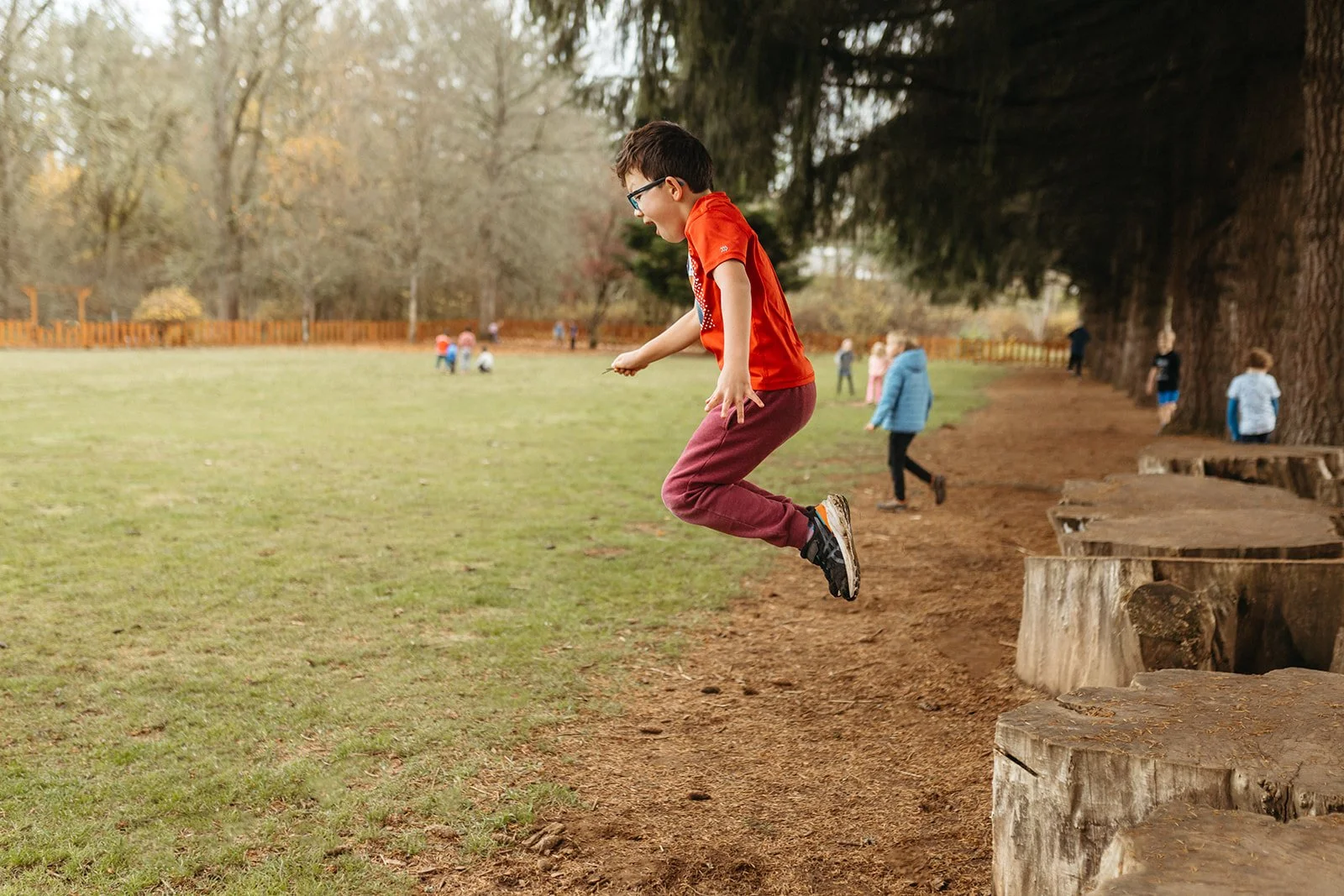
Time outdoors is part of the school day, not a break from it, helping students return to the classroom more engaged and ready to learn.
Our five-acre campus is designed to support how children learn and grow. Gardens, wetlands, and outdoor classrooms give students space to think, collaborate, and explore. These environments build curiosity, focus, and confidence while also strengthening social skills and peer relationships.
Our experiential approach extends beyond campus through field trips and outdoor learning experiences, including overnight trips for older students.
-
Currently, we serve preschool through 6th grade. Starting in 2027-28, the elementary program will serve K-5. Our second campus, Country Friends, offers early childhood learning, starting at 18 months through Pre-K.